
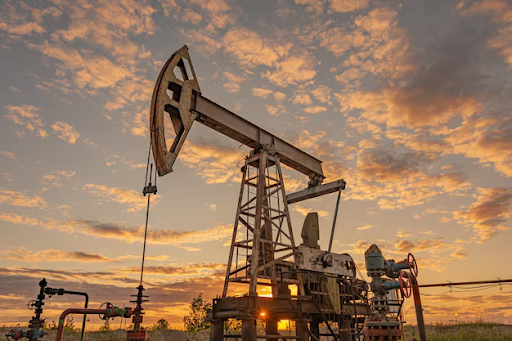
Monday is shaping up to be another turbulent day for US oil prices, with the Iran conflict now in its third week and showing no signs of resolution. Leading petroleum analyst Patrick De Haan has forecast gasoline prices of $3.80 to $3.85 per gallon, adding that a rise to $4 remains entirely possible in the near future. The ongoing disruption to global energy infrastructure has left markets on edge and consumers paying significantly more at the pump.
The current price surge began the moment the US and Israel struck Iran on February 28, marking the start of a conflict that has steadily escalated. From under $3 per gallon at the start, the national gasoline average has since climbed to $3.70, reflecting a 23% increase in less than three weeks. The speed of this price escalation has drawn comparisons to previous oil shocks in modern American history.
Friday’s strikes on Kharg Island, Iran’s key oil processing facility, further compressed available global supply. Iran’s deliberate blockade of the Strait of Hormuz has choked off approximately 20% of the world’s daily oil supply. Brent crude reached $106 per barrel in early Monday trading before falling to $103, while US crude stood at $94 after peaking at $100 just a day earlier.
California is experiencing the most severe consumer impact, with pump averages above $5 and some stations in Los Angeles charging over $8 per gallon. Diesel prices, critical for trucking and rail freight, may soon reach $5.15 per gallon nationally. Senior executives from Exxon, Chevron, and ConocoPhillips have all communicated their concerns to the White House about the escalating supply crisis and the potential role of market speculators.
Wall Street registered modest gains Monday morning as oil prices briefly retreated, with the S&P 500 rising around 1%. The stock surge may be temporary, however, given the persistent uncertainty surrounding the conflict. Shares of major oil producers have soared to record highs since hostilities began, reflecting a stark divergence between corporate fortunes and consumer hardship.