
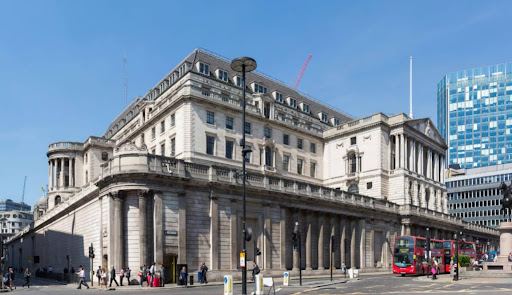
The Iran war has created a defining test for UK economic policy, with the Bank of England voting unanimously to hold rates at 3.75% on Thursday and warning that the conflict’s energy price impact could force rate hikes while domestic conditions simultaneously argue for easing. The monetary policy committee described the war as a significant new shock that had created one of the most complex and challenging policy environments in recent memory. Officials said inflation could rise above 3% and that borrowing costs might need to increase before the end of the year.
The defining nature of the test lies in the combination of competing pressures it creates. The Iran war’s energy price impact argues for tighter monetary policy to contain inflation. The domestic economy’s softening — with unemployment at 5.2% and wage growth slowing — argues for looser conditions. Getting the balance right between these competing demands will define the credibility and effectiveness of UK economic policy in a way that calm conditions rarely do.
Governor Andrew Bailey acknowledged the difficulty of the test in his communications. He said the Bank was carefully weighing the inflation risk against the domestic economic weakness and had chosen to hold and observe rather than act in either direction. His message was one of deliberate patience — the Bank was gathering evidence before committing to a course that might prove difficult to reverse.
Financial markets offered their own verdict on the test. UK gilt yields rose, the FTSE 100 fell, and the pound strengthened against the dollar as traders bet that the Bank would ultimately prioritise inflation control over growth support. The market’s judgment was that the defining test would be resolved in favour of tightening, at least in the near term.
For future assessment of UK economic institutions, the handling of the Iran war period will be an important case study. How the Bank of England, the Treasury, and the government as a whole respond to a geopolitical shock that creates genuine and competing policy demands will reveal much about the quality of UK economic governance. The decisions made in the coming months will be scrutinised for years.