
The war involving Iran has delivered a jarring shock to global energy markets, propelling oil prices past the $90 a barrel threshold and triggering fears of an inflationary spiral that could derail economic recoveries around the world. Brent crude hit $91.89 on Friday — its highest point since April 2024 — capping a week that saw prices climb more than 25% from pre-war levels.
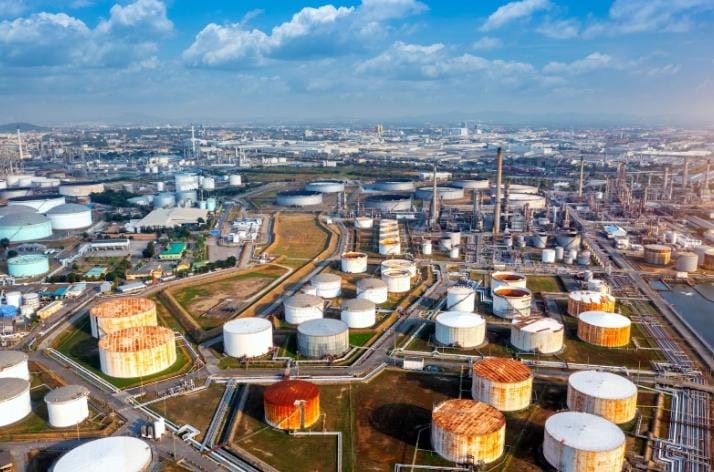
Kuwait’s decision to curtail production at several oil fields due to storage constraints added fuel to an already volatile situation. With oil unable to flow freely through conflict-affected shipping lanes, storage sites across the Middle East are filling at a rapid pace. Market analysts have warned that if the situation is not resolved quickly, the entire Gulf production system could seize up, triggering an unprecedented global energy shortage.
The timeline being discussed is alarmingly short. Industry consultants estimate that storage in Saudi Arabia and the UAE could be exhausted within 20 days, at which point those countries would face the same impossible choice confronting Kuwait: shut down production or find somewhere for the oil to go. Given that restarting production after a shutdown can take weeks, both options carry enormous costs.
The Strait of Hormuz, through which roughly a fifth of the world’s oil and gas flows, has become a flashpoint. Iran’s Revolutionary Guard has threatened to attack any western tankers that attempt passage, and at least nine vessels have already been struck. The international community has struggled to find an adequate response, and the Trump administration’s offer of military escorts has done little to calm market nerves.
The economic ripple effects have spread rapidly. UK bond markets saw their worst weekly performance since the Liz Truss mini-budget crisis of 2022, while rate cut hopes evaporated almost overnight. Stocks in Asia, Europe, and the UK fell sharply across the board. Airlines were particularly hard hit, with some companies warning of losses in the tens of millions as fuel costs surged.