
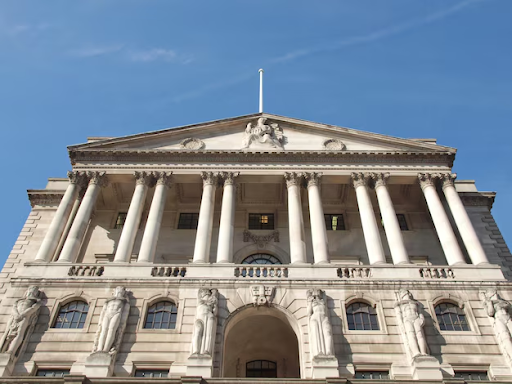
The Bank of England’s monetary policy committee has voted to maintain the current interest rate level at 3.75%, though officials have made clear that additional cuts remain likely as inflation continues its downward trajectory. The decision reflects careful consideration of both current economic conditions and future prospects.
The committee’s voting pattern revealed significant internal debate, with a 5-4 split suggesting that opinion is closely divided on the appropriate timing for further rate reductions. Four members supported cutting rates immediately, while five preferred to wait. This represents one of the narrower margins in recent decisions and indicates that the case for lower rates is strengthening.
In explaining the decision, Governor Andrew Bailey highlighted the encouraging inflation outlook while justifying the pause in rate cuts. He stated that inflation is expected to fall to around 2% by spring, representing a return to the target level. However, he emphasized that ensuring inflation stays at this level requires maintaining current policy settings for now, though he acknowledged that further cuts should be possible later in the year.
The economic growth forecast has been revised sharply lower, with the Bank now expecting GDP to expand by only 0.9% this year. This compares unfavorably to the 1.2% growth rate projected in November and reflects ongoing challenges in the British economy. Labor market conditions are also expected to weaken, with unemployment projected to rise to 5.3% this year, higher than previous forecasts.
The impact of the chancellor’s budget measures is clearly visible in the Bank’s inflation projections. Reeves’s package of anti-inflation policies, including utility bill reductions and rail fare freezes, is expected to drive inflation down to 2.1% by mid-2026. This represents a dramatic improvement from the 3.4% rate recorded in December and should provide significant relief to households that have endured years of elevated living costs.