
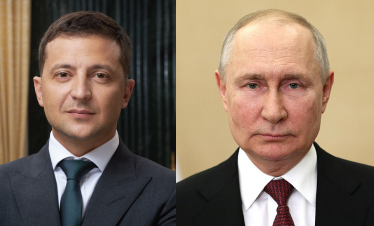
A sharp disagreement over an alleged drone attack on a Russian presidential estate has introduced new complications into already fragile peace negotiations. Russian authorities claim Ukraine launched a major aerial assault on President Putin’s Novgorod residence, while Ukrainian officials dismiss the accusations as manufactured propaganda designed to justify further military action.
Foreign Minister Lavrov delivered stern warnings about Russia’s intended response to what Moscow characterizes as an attempted strike on the head of state’s property. He detailed that Ukrainian forces allegedly deployed 91 drones in a sustained attack pattern spanning December 28 and 29. The Russian diplomat emphasized that such actions, which he labeled state terrorism, would fundamentally change Moscow’s negotiating posture moving forward.
President Zelensky countered these claims with equal force, asserting that Russia was engaged in a familiar pattern of creating false narratives. He suggested the allegations served a dual purpose: providing cover for Russian strikes on Ukrainian government infrastructure while simultaneously undermining diplomatic momentum with international partners. Zelensky specifically highlighted cooperation with Trump administration representatives as potentially threatened by Russian manipulation.
Moscow reported complete success in defending against the alleged drone swarm, claiming that air defense systems eliminated every threat. However, Lavrov made clear that the attack attempt itself—regardless of its failure—constituted grounds for retaliation. He confirmed that Russian military leadership had compiled target lists and would execute strikes in response, though specific timing and locations were not disclosed.
The controversy highlights ongoing challenges in establishing trust necessary for productive peace talks. Zelensky urged world leaders to recognize Russia’s tactics and avoid remaining passive in the face of manufactured crises. He reminded audiences that Russia has previously targeted high-value sites in Kyiv, including core government buildings, suggesting that Moscow’s latest claims follow a well-established playbook of accusation followed by escalation.