
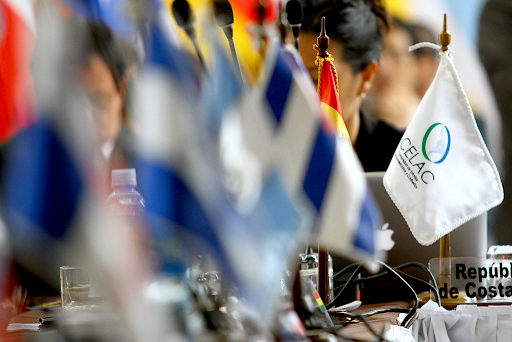
European, Latin American, and Caribbean nations are gathering in Santa Marta, Colombia, for a two-day summit aimed at solidifying inter-regional cooperation. The official agenda is focused on tangible outcomes, with Colombian hosts seeking the adoption of the Declaration of Santa Marta. This declaration prioritizes critical issues such as renewable energy development, sustainable financing, technological partnerships, and ensuring regional food security.
However, this forward-looking agenda is being completely eclipsed by a potent geopolitical crisis. A US military operation in the Caribbean Sea and Eastern Pacific, ostensibly targeting drug-carrying vessels, has become a major flashpoint. The operation has turned deadly, with reports indicating over 60 fatalities since September. This has prompted fierce condemnation from the host nation itself, with Colombian President Gustavo Petro labeling the incidents as “extrajudicial executions” and confirming Colombian citizens among the dead and survivors.
The summit’s effectiveness is also being challenged by a significant lack of high-level participation. European Commission President Ursula von der Leyen and German Chancellor Friedrich Merz are notably absent, which has led to questions about the meeting’s overall relevance. Colombian officials have brushed off these concerns, attributing the absences to scheduling conflicts with a UN climate summit, and have highlighted the attendance of Spanish Prime Minister Pedro Sánchez and Brazilian President Luiz Inácio Lula da Silva as proof of the summit’s importance.
Analysts suggest that the very issues making the summit awkward may also make it crucial. Alexander Main of the Center for Economic and Policy Research noted that with the Summit of the Americas postponed, this is the last major regional meeting of the year. The absence of the United States from the EU-CELAC format might paradoxically allow for a more “frank” and open discussion about the military deployment among the affected nations.
Brazil’s involvement underscores this dynamic. Lula’s surprise decision to attend, despite hosting COP30, has been linked by his foreign ministry to regional solidarity with Venezuela, which has also been the target of military threats from US President Donald Trump. Brazilian diplomats anticipate the US strikes and threats against Venezuela will “naturally” be a topic of conversation, driven by the Venezuelan delegation, potentially shaping the summit’s final declarations far more than the planned discussions on energy or agriculture.