
South Africa has successfully engaged the United States in last-minute talks aimed at reversing its controversial decision to skip the historic G20 summit in Johannesburg. President Cyril Ramaphosa confirmed the ongoing high-level discussions, introducing the possibility that President Donald Trump could still attend the first-ever G20 meeting hosted on the African continent. This diplomatic opening comes after the US had formally declared its intention to boycott the event.
The tensions were originally triggered by specific claims from the US administration. President Trump had publicly alleged that South Africa was mistreating its white Afrikaner population, citing concerns over violence and the contentious land reform policy affecting white farmers. These accusations were strongly rebutted by South African officials, who dismissed them as patently inaccurate and politically motivated attempts to interfere with the summit’s momentum.
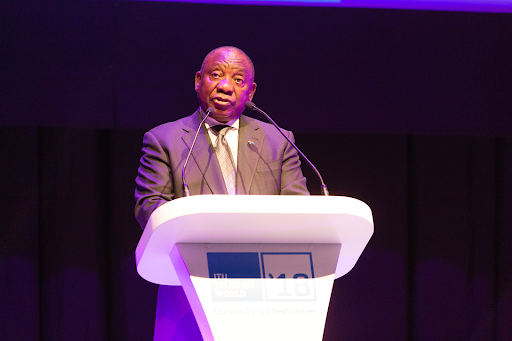
Ramaphosa, speaking to his European counterparts, struck a hopeful tone, characterizing the renewed US engagement as a constructive “positive sign” in the spirit of international dialogue. He articulated a strong philosophical position, arguing that boycotts are largely self-defeating and rarely lead to productive outcomes. He consistently championed the need for a framework of inclusive global cooperation, emphasizing that South Africa’s carefully crafted G20 agenda is centered on the key concerns of developing nations.
Prior to the current détente, a significant diplomatic hurdle emerged when a US note warned that a unified G20 final declaration would be impossible without American presence. South Africa’s response was one of firm condemnation. They publicly denounced the move as an attempt at coercion, fundamentally undermining the authority of multilateral decision-making. Officials maintained that granting a boycotting nation veto power over the proceedings would establish a highly damaging international precedent.
Concluding his statement, President Ramaphosa reiterated South Africa’s foundational commitment to the principle of consensus-building, even as disagreements persist with major powers. While acknowledging the future US G20 presidency, he maintained a firm line: the forum’s enduring legitimacy is secured by its inclusivity and collaborative action, not by bowing to unilateral political pressure.