
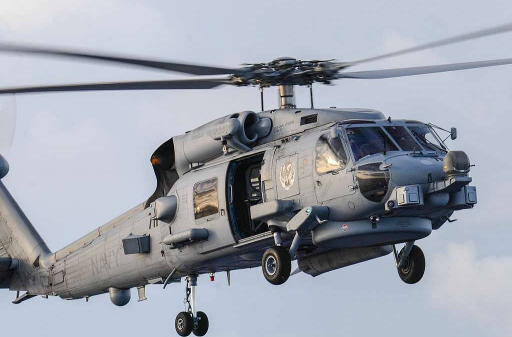
The deployment of the USS Abraham Lincoln to the Mediterranean has reshaped the tactical map of the Middle East. By positioning assets in these waters, the United States has bypassed the need for cooperation from regional powers like the UAE, who have publicly stated they will not allow their territory to be used for an attack on Iran. This maneuver grants Washington a high degree of operational independence.
Inside Iran, the leadership is attempting to project a front of national unity despite deep internal divisions. Ali Larijani has characterized US maneuvers as a form of “psychological warfare” intended to break the social cohesion of the nation. He argues that the West is attempting to portray the country in a state of emergency to justify a kinetic strike, a tactic he claims the military is prepared to counter.
The role of Israel remains a pivotal factor in the unfolding drama. Israeli aircraft are expected to play a major role in any potential strike, providing specialized intelligence and precision capabilities. However, the fear of massive Iranian reprisals against Israeli territory continues to be a sticking point in the finalization of any battle plan, keeping the US administration in a state of internal debate.
Diplomatically, the bridge between Tehran and Washington seems to have burned. Demands from US envoys have become more stringent, including the total curtailment of Iran’s missile program. Iranian officials have responded by warning that any violation of their sovereignty will result in “insecurity for everyone,” a veiled threat to global energy corridors and regional stability.
As the US military prepares for exercises to demonstrate its ability to sustain combat airpower, the Iranian government is reinforcing its defenses. The standoff has reached a point where a single miscalculation from either side could ignite a conflict that involves not just the two primary actors, but the entire Mediterranean and Persian Gulf regions.