
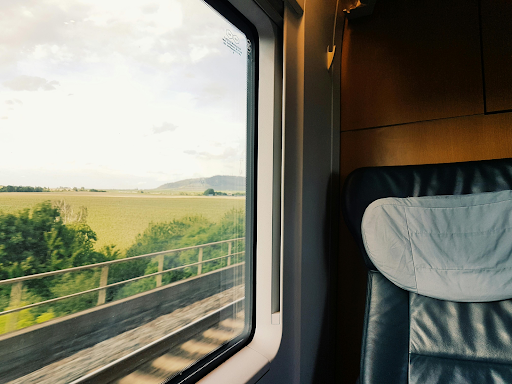
Just when it seemed the romance of overnight rail travel between Paris and Berlin was coming to an end, a new chapter is set to begin. The Dutch cooperative European Sleeper has confirmed it will launch a new sleeper service connecting the two iconic capitals starting March 26, 2026. This development provides a bright spot after the disappointing news that the existing Nightjet train, operated by Austria’s ÖBB, would be permanently withdrawn from the route next month due to the termination of French subsidies, a move that activists had passionately protested.
The new service is designed to be a robust replacement, operating three times a week. Travelers will be able to depart from Paris Gare du Nord, likely on Tuesday, Thursday, and Sunday evenings, to wake up refreshed in the German capital. The return journeys from Berlin Hauptbahnhof and Ostbahnhof are planned for Monday, Wednesday, and Friday evenings. This schedule is designed to appeal to both leisure travelers on city breaks and professionals seeking a more civilized and sustainable way to travel.
In a significant network decision, European Sleeper plans to route the train via Brussels. This creates a new major sleeper corridor, distinct from the Nightjet’s current path via Strasbourg and Frankfurt. By connecting Paris, Brussels, and Berlin, the service links three of Europe’s most important cities, with precise timings and stops currently being coordinated with the national infrastructure managers. This new route opens up fresh travel possibilities for passengers across the region.
The company is also promising a significant boost in passenger numbers. Co-founder Chris Engelsman explained that the new service will have a much larger capacity. Unlike the ÖBB train, which split its 12 coaches between Berlin and Vienna, European Sleeper will dedicate 12 to 14 coaches, accommodating 600-700 passengers, solely for the Berlin journey. This strategy aims to meet the high demand on this popular route and attract new customers to the magic of overnight travel.
Passengers should expect a “no-frills nostalgia” experience, which has become a hallmark of the company. The coaches will be German-rented stock from the 1990s, offering a comfort level similar to the Nightjet. However, the company is clear that there will be no dining car at launch. The economics of running a full-service restaurant on wheels are notoriously difficult, with high rental and staff costs making it a challenge to break even on meals and drinks, a pragmatic compromise for securing the route’s future.