
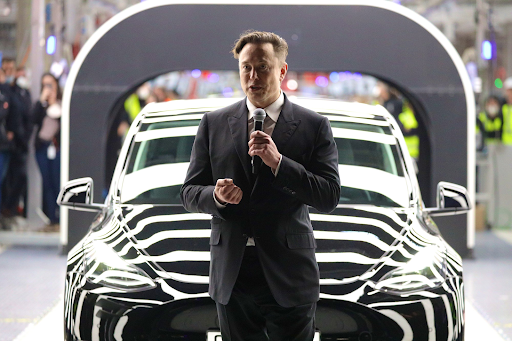
Elon Musk is once again rewriting the rules, this time in the world of corporate finance. His nearly $1 billion personal investment in Tesla introduces a new doctrine: that in times of uncertainty, a leader’s most powerful tool is their own capital. This move challenges the traditional separation between the executive and their personal wealth.
The standard corporate finance playbook for a downturn involves buybacks, debt management, and cautious capital expenditure. The “Musk Doctrine,” however, advocates for a direct, massive infusion of the leader’s own funds as the ultimate tool to shore up confidence and finance growth.
The market’s 8% positive reaction suggests a strong appetite for this new doctrine. Investors have shown they value the absolute alignment of interests that comes when a CEO becomes a major buyer of their own stock. It replaces corporate-speak with the clear, unambiguous language of a personal financial commitment.
This approach has profound implications. It pressures other CEOs who express confidence in their companies but are unwilling to back it with their own money. It creates a new, higher standard for what “skin in the game” truly means, particularly in founder-led companies.
In conclusion, Musk’s billion-dollar buy is more than just a transaction for Tesla; it’s a paradigm-shifting event for corporate governance. The Musk Doctrine suggests that the ultimate responsibility of a visionary leader is not just to manage the company’s capital, but, when necessary, to become its most committed source of it.