
In a direct strike at the Kremlin’s finances, the Trump administration has sanctioned Russian oil giants Rosneft and Lukoil. The move is a response to what Treasury Secretary Scott Bessent called “President Putin’s refusal to end this senseless war” in Ukraine.
These are the first such sanctions under the new Trump administration and represent a significant escalation of economic pressure. The goal is to deprive the Russian “war machine” of its primary source of funding, which comes from oil sales. Bessent encouraged US allies to “join us in and adhere to these sanctions.”
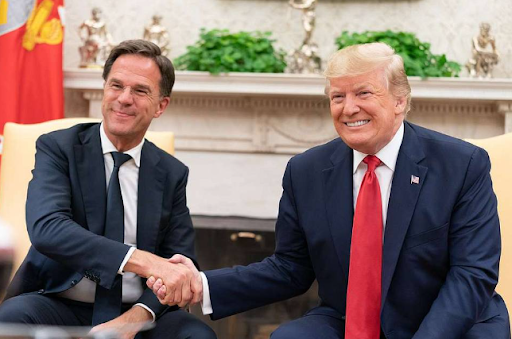
This economic move coincides with a diplomatic freeze. President Trump confirmed on Wednesday that a planned meeting with Vladimir Putin was off the table. “We cancelled the meeting,” Trump said in the Oval Office. “I cancelled it.”
The US action goes further than that of the European Union, which has sanctioned the state-owned Rosneft but not the privately-held Lukoil, largely due to oil dependencies in Hungary and Slovakia. The UK, however, had already sanctioned both firms last week.
Experts note the significance of this step. “Rosneft was the most important Russian firm not yet under full US sanctions,” commented Edward Fishman, a former sanctions official. He added that the key question now is whether the US will enforce these sanctions against foreign entities that continue to trade Russian oil.