
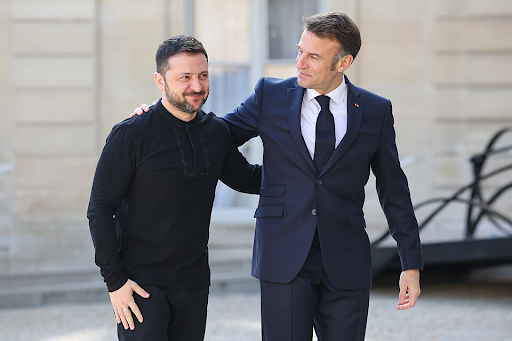
Ukraine plans to finance its landmark purchase of 100 French Rafale jets and other advanced military hardware by utilizing a G7-backed mechanism that taps into the future revenues of frozen Russian assets. Speaking in Paris after signing the 10-year defense pact, President Volodymyr Zelensky confirmed that Kyiv will aim to deploy funds from this mechanism to pay for the new French hardware, effectively making the aggressor state’s immobilized assets contribute to Ukraine’s defense.
This innovative, though complex, funding strategy is essential for realizing the ambitious agreement. The European Union is still working to finalize the legal framework to tap these immobilized Russian central bank assets, but the G7’s political backing has provided a path forward. The French presidency noted that this would be supplemented by other resources, including loans from the European Union’s €150 billion Security Action for Europe (SAFE) fund, creating a blended financial package to sustain the long-term contracts.
The deal itself, hailed by Zelensky as “historical,” is a massive commitment to upgrading Ukraine’s military. The letter of intent not only includes the 100 Dassault-made Rafale fighter jets but also a suite of other critical technologies. The pact outlines plans for the acquisition of air defense systems, modern radars, and unmanned aerial vehicles, all deemed essential to countering Russia’s escalating air war.
This reliance on European funding and Russian assets underscores the dramatic shift in Ukraine’s international support. With the Trump administration having halted aid from the United States, European allies have been forced to take primary responsibility for financing Kyiv’s defense. This new reality has pushed the EU to explore unconventional funding streams, like the Russian asset plan, to maintain the flow of support as the war enters its fourth year.
The purchased equipment is desperately needed. Russia has intensified its air strikes, using a lethal combination of missiles and glide bombs to terrorize civilian populations and systematically destroy Ukraine’s energy infrastructure ahead of winter. Zelensky has framed the acquisition of more air defenses as a matter of national survival, and this French deal, backed by a creative financing plan, is a direct answer to that urgent plea.