
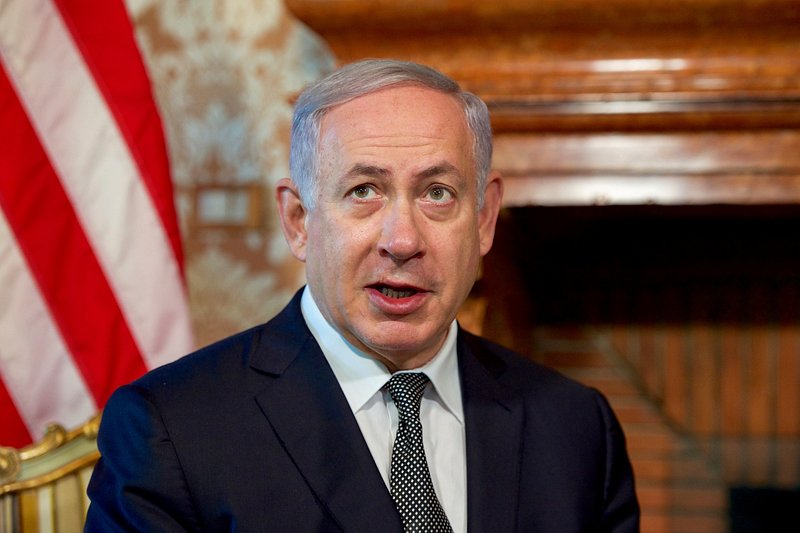
Israel is hoping to reap a “de-escalation dividend” in the form of peace agreements with its northern neighbors following the war with Hezbollah. Prime Minister Benjamin Netanyahu announced Sunday that the conflict has paradoxically created a new environment conducive to talks with Syria and a potential settlement with Lebanon.
The most significant de-escalation is occurring on the Syrian front. The fall of the hardline Assad regime has allowed the new government to pursue a policy of dialogue with Israel. A Syrian official has even suggested that military and security pacts aimed at formalizing this de-escalation could be signed by the end of 2025.
In Lebanon, the path to de-escalation involves the difficult task of disarming Hezbollah. While Israel continues to strike the group, the Lebanese government has begun a process that could lead to the national army taking control of the south, a move that would dramatically lower the risk of future conflict.
Netanyahu framed these developments as a direct result of the war. “Our victories… have opened a window for… peace,” he told his cabinet. He confirmed that this has led to “some progress” in the de-escalation talks with Syria.
This potential dividend is not just theoretical. Syria’s new leadership is negotiating a demilitarized zone, a classic de-escalation measure. Lebanon has set a three-month timeline to begin disarming Hezbollah near the Israeli border, the first step in what could be a historic reduction of tensions.