
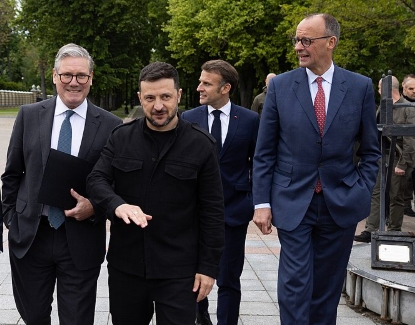
The international coalition supporting Ukraine will hold an emergency video conference Thursday as President Trump set conditions for continued American engagement in peace negotiations. The US leader revealed he had “little disputes” with European counterparts during Wednesday consultations and would not commit to attending a proposed weekend summit until receiving satisfactory responses to unspecified concerns. Trump’s conditional approach has injected fresh uncertainty into diplomatic efforts, even as British officials characterized the allied call as reflecting agreement that this is a “critical moment” requiring intensive continued work.
President Zelenskyy will present an updated peace proposal during Thursday’s coalition meeting, following earlier discussions with US negotiators. The Ukrainian leader signaled on social media that significant news could emerge this week while emphasizing fundamental questions about how to force Russia to cease attacks and deter future aggression. Approximately 30 nations are expected to participate in the video conference, representing the core group of countries providing military, economic, and diplomatic support to Ukraine throughout the invasion.
Trump’s peace initiative has created complex dynamics within the western alliance. While the American president claims Russia is receptive to his proposals, he has questioned whether Zelenskyy has even reviewed the draft plan and suggested the Ukrainian leader may not accept its terms. Russian officials have enthusiastically endorsed the Trump administration’s approach, with senior figures praising what they see as Washington’s newfound understanding of Moscow’s perspective. This Russian enthusiasm has triggered concern among European partners about the balance of concessions in any potential agreement.
The diplomatic pressure on Zelenskyy has intensified from multiple directions simultaneously. Beyond navigating peace negotiations and managing battlefield setbacks, the Ukrainian president recently dismissed his closest advisor Andriy Yermak amid corruption allegations. Trump added to these challenges by questioning Ukraine’s democratic credentials and suggesting elections should be held, despite martial law prohibiting such votes during wartime. Zelenskyy responded by declaring readiness to organize elections within three months if security can be guaranteed.
Military realities continue driving diplomatic urgency, though not necessarily toward outcomes favorable to Ukraine. Russian forces maintained offensive operations against Pokrovsk and Myrnohrad, with Moscow’s military leadership claiming significant territorial gains. The assault on these strategic cities involves combined arms tactics using various vehicle types to penetrate Ukrainian defenses. Ukrainian sources confirm brutal street fighting continues, particularly in Myrnohrad where Russian forces control approximately 30% of the urban area. These battlefield developments strengthen Moscow’s negotiating position while undermining Ukraine’s ability to resist unfavorable peace terms.