
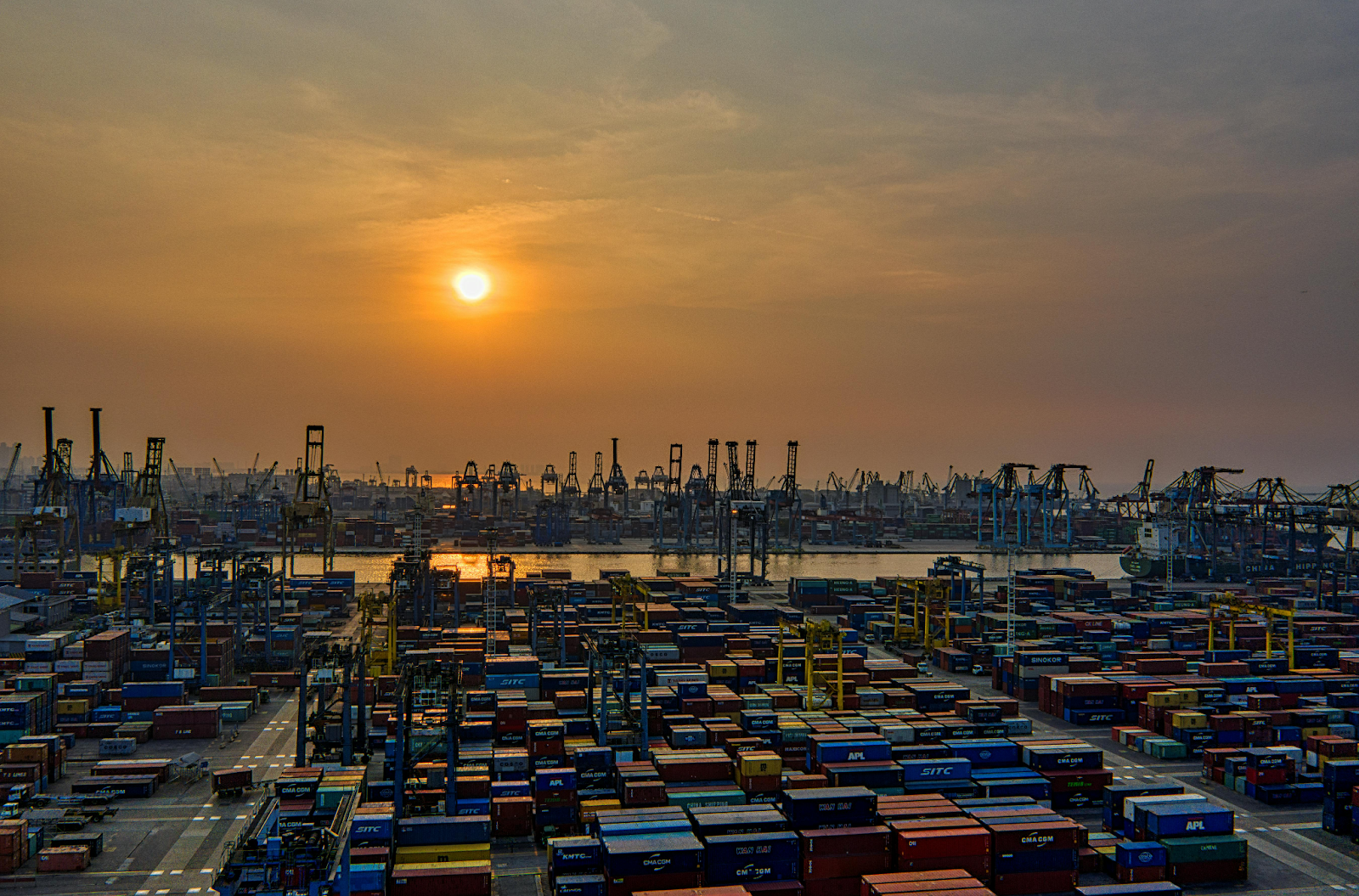
A profound sense of unpredictability now reigns over the global economy, as President Donald Trump’s aggressive trade tactics continue to rattle markets and allies alike. The sudden threat of 100% tariffs on China is the latest example of a volatile approach that has made long-term economic planning nearly impossible for businesses and investors.
The core of the problem is the administration’s fluctuating and often contradictory messaging. A harsh, economy-shaking threat of tariffs can be followed just hours later by a reassuring social media post, leaving everyone to wonder which statement reflects the true policy. This has been called an “escalate to de-escalate” strategy, but its main effect is to create chaos.
This unpredictability has a real economic cost. The $2 trillion loss on Wall Street following the tariff threat is a direct result of the uncertainty. Businesses cannot make investment decisions, and supply chains cannot be secured when the rules of global trade can be rewritten with a single tweet. This paralyzing effect can be just as damaging as the tariffs themselves.
Even America’s traditional allies are left scrambling. The turmoil in London’s FTSE 100 is a case in point. The U.S.-China conflict creates collateral damage, and the unpredictable nature of the U.S. approach makes it difficult for other nations to formulate a coherent response.
China has responded to this unpredictability with a message of stern consistency, vowing to retaliate. But for the rest of the world, the only certainty is more uncertainty. As long as this tactic of surprise and reversal continues, unpredictability will be the new normal, and the global economy will suffer for it.