
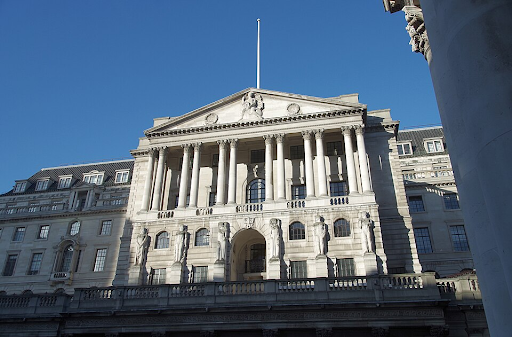
Faced with an economy that has stopped growing, the Bank of England has pulled the lever on interest rates, bringing them down to 3.75%. The urgency of the move was underscored by recent GDP data showing the UK economy shrank by 0.1% in October, marking four consecutive months without growth. For the majority of the rate-setting committee, the risk of a deepening downturn has now eclipsed the fear of inflation.
Two external members of the MPC, Swati Dhingra and Alan Taylor, were particularly vocal about the dangers of inaction. They argued that weak consumer confidence and a slowing labor market were clear signals that monetary policy was too tight. By cutting rates, the Bank hopes to lower the cost of borrowing for businesses and consumers, thereby encouraging spending and investment.
Despite the cut, inflation remains a nagging issue. At 3.2%, it is still well above target, driven largely by the service sector. This persistence led four members of the committee to vote against the cut, fearing that the Bank is declaring victory over inflation prematurely. They pointed to survey data suggesting that wage growth is not slowing down as fast as hoped.
The political reaction has been swift. Paul Nowak of the TUC welcomed the cut but demanded more “quickfire” reductions to save the economy from stagnation. Meanwhile, the Chancellor touted the move as evidence that her inflation-fighting measures are working, predicting that energy bill support would further reduce inflation by early 2026.
The outlook for the next few months is flat. Bank forecasters do not expect any GDP growth in the final quarter of the year. This stagnation places immense pressure on the Bank to get the balance right: cut too slowly and recession hits; cut too fast and inflation returns. For now, the priority is clearly to keep the economy moving.