
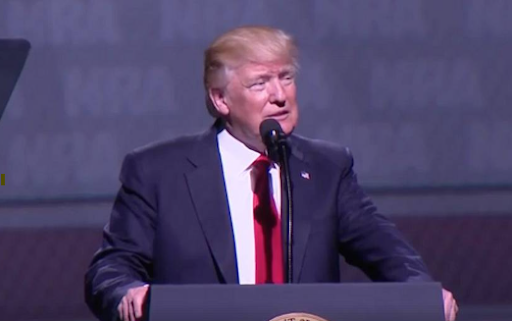
Donald Trump provided no details about how aggressively he might pursue Greenland acquisition when pressed by reporters, simply stating that future actions would reveal his approach. The president’s vague response during his first-year commemoration briefing has amplified European concerns regarding American designs on the Danish territory.
Ahead of his Davos appearance, Trump announced extensive scheduling of Greenland discussions with European counterparts attending the economic forum. He predicted successful outcomes benefiting both NATO and American interests, consistently portraying Greenland control as crucial for security purposes. The president’s security-focused justification hasn’t mollified growing European resistance.
His continued refusal to exclude military measures has generated controversy across political spectrums. Available polling data indicates widespread American public rejection of forceful tactics, while Republican legislators have begun voicing reservations. The developing situation threatens foundational Western alliance principles.
European Commission leadership has abandoned restrained language in countering Trump’s claims. Von der Leyen directly criticized newly announced American tariffs targeting European countries with military presence in Greenland, pledging unified and measured European retaliation. Her firm commitment signals a fundamental shift in transatlantic relations.
Leaders from France and Poland have separately articulated serious consequences for continued American coercion, with Macron raising the possibility of deploying the EU’s most powerful trade countermeasures. Tusk explicitly rejected accommodating threats from any source, including allied nations. Canadian Prime Minister Carney reinforced commitment to Greenlandic sovereignty and NATO obligations while condemning tariff-based pressure, contrasting sharply with Trump’s dismissal of Greenlandic self-determination concerns and prediction of local enthusiasm for American control.