
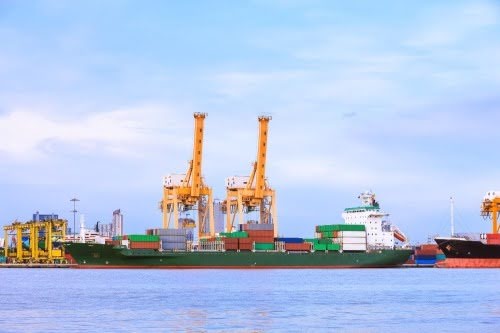
Europe is bracing for another economic shock from China, a situation that trade experts warn could lead to the decline of local manufacturing, job losses, and an increased dependency on Beijing. This echoes the “China shock” experienced by the U.S. 25 years ago, when China joined the World Trade Organization, resulting in the loss of up to 2.5 million U.S. jobs as imports surged and local industries were displaced. Jens Eskelund, president of the European Chamber of Commerce in Beijing, highlights that the real challenge lies not in finished goods like electric vehicles, but in the sheer volume of components imported from China, which is making Europe more reliant on Chinese imports.
A Financial Times report suggests that the European Union is contemplating measures such as compelling European companies to source critical components from at least three different suppliers to mitigate this dependency. European commissioners are scheduled to meet on May 29 to discuss potential actions. Oliver Richtberg of VDMA, representing Europe’s machinery and equipment manufacturing sector, commends the EU for its proactive engagement, though he criticizes Germany for its lack of action. The undervaluation of the yuan, possibly by as much as 40% against the euro over the past five years, makes Chinese products cheaper and leaves European procurement officials with limited choices, according to German economist Jürgen Matthes.
Recent data from the China trade watch website Soapbox indicates a troubling trend of industrial cannibalization, with EU imports of amino acids and polyhydric alcohols largely dominated by China. The site warns that the low cost of Chinese imports could render EU production economically unfeasible, making the region more dependent on China. Trade figures reflect this growing imbalance, with China now Germany’s top trading partner, surpassing the U.S. China’s trade surplus with Germany doubled between 2024 and 2025, leading to significant job losses in German industries, particularly in car manufacturing.
The EU has proposed legislation like the Industrial Accelerator Act and updates to the Cyber Security Act to protect its industries, but these measures won’t take effect until 2027. Meanwhile, the immediate challenge is to develop solutions that can support EU industries facing intense pressure. Andrew Small from the European Council on Foreign Relations emphasizes that existing EU tools are insufficient to address the current levels of imports. As China remains in a strong position, the EU must navigate its countermeasures carefully, given the likelihood of a hostile response from Beijing. The EU is under pressure to devise immediate strategies to counteract this industrial dependency, while tariffs are deemed an inadequate solution due to their limited impact on correcting trade imbalances.