
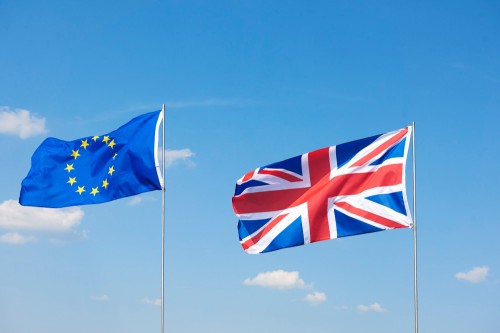
The UK government is considering the establishment of a unified market for goods with the European Union in an effort to enhance post-Brexit trade relations and stimulate economic growth. This proposal was recently discussed by senior UK officials during talks in Brussels, intended to bolster economic cooperation with the EU. Despite the initiative, European officials have shown limited enthusiasm, instead proposing other alternatives such as a customs union or joining the European Economic Area (EEA).
While the UK government remains steadfast in its decision not to rejoin the EU single market, customs union, or agree to free movement of people, these suggestions present political hurdles. Nonetheless, both parties are gearing up for a UK-EU summit anticipated in July. The summit is expected to focus on several practical agreements, including a veterinary and food standards deal to facilitate agricultural trade, linking carbon emissions trading systems, and a youth mobility programme for education and work opportunities.
The UK is also seeking closer collaboration in areas like defense, steel, electric vehicles, and technology. British officials are optimistic that enhanced trade arrangements could foster long-term economic growth and bolster industrial cooperation across Europe. However, EU representatives remain wary about granting the UK special access to the single market, concerned that such a concession might embolden Eurosceptic movements in other European nations.
As negotiations continue in the lead-up to the summit, both sides are working through the complexities of reaching mutually beneficial agreements. The discussions underscore the challenges of balancing political considerations with economic priorities in the aftermath of Brexit, as both the UK and the EU navigate their future trade relationship.