
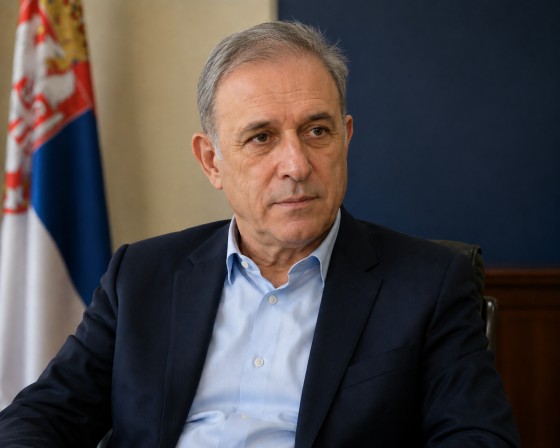
Serbian opposition leader Zdravko Ponoš recently faced police questioning over allegations he made regarding the use of a sonic weapon against protesters during a significant anti-government demonstration in Belgrade on March 15, 2025. The probe, led by prosecutors, aims to assess whether Ponoš’ assertions on social media about a “sound cannon” could be classified as a criminal act of inciting panic and disorder.
In his initial post, Ponoš accused Serbian authorities of deploying a sonic device against peaceful demonstrators who had gathered for a silent vigil to honor those who perished in the Novi Sad railway station canopy collapse. The protest, one of the largest in the country’s history, saw hundreds of thousands rallying to demand accountability for the railway disaster. During the event, participants were suddenly thrown into chaos, with many reporting hearing an unusual loud noise that preceded the crowd’s brief stampede.
The incident has prompted an investigation by Serbian prosecutors, who are scrutinizing whether the alleged use of a sound cannon was fabricated or misrepresented. As part of this inquiry, authorities have been interviewing protest organizers, attendees, and individuals who publicly discussed the event. Ponoš later claimed that information from his police interview was leaked to a media outlet supportive of the government shortly after his questioning concluded.
Amidst these developments, a coalition of Serbian civil society organizations has appealed to the United Nations to launch an independent fact-finding mission. They argue that the domestic investigation may be compromised by political influences and that an unbiased international probe is necessary to ascertain whether a sonic device was indeed employed during the protest.