
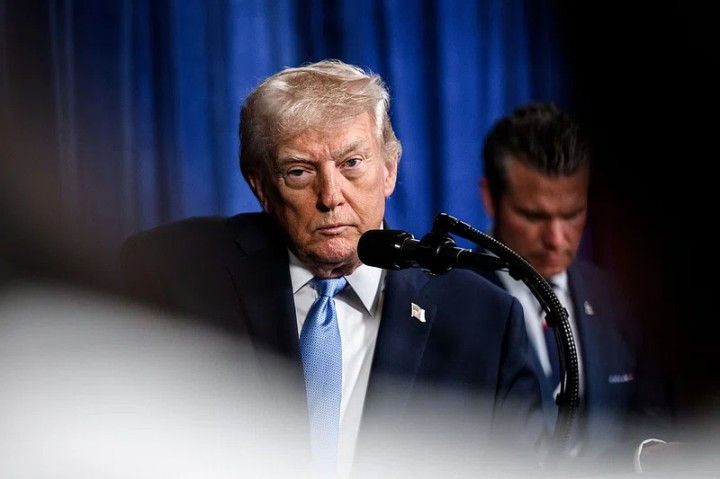
Despite a surge in regional tensions, President Donald Trump has reassured that the peace agreement negotiations between the United States and Iran are progressing as planned. The talks were momentarily jeopardized after Israeli forces launched a strike on the southern suburbs of Beirut, just as Washington and Tehran were on the verge of finalizing a deal intended to resolve prolonged conflicts in the area. This military action provoked a strong backlash from Iranian officials, casting doubts on the future of the peace efforts.
President Trump acknowledged that the attack has delayed the signing of the agreement and expressed his frustration with Israeli Prime Minister Benjamin Netanyahu. According to Trump, the Israeli military action came at a crucial juncture in the negotiations, complicating diplomatic efforts and risking the undermining of significant progress toward a broader regional settlement. Iran has issued warnings that both the United States and Israel will bear responsibility for any further escalation, with high-ranking Iranian officials stating their readiness to respond if tensions continue to rise.
Despite the setback, Trump remains optimistic about the agreement’s potential to proceed, asserting that it would bolster regional security by addressing issues related to Iran’s nuclear program. The proposed framework is anticipated to include provisions for nuclear oversight and inspections, along with wider security measures. An integral part of the peace initiative is the reopening of the Strait of Hormuz, a vital global shipping corridor critical for international energy supplies and commerce. Market observers are closely watching these developments, as a successful agreement could stabilize oil prices and mitigate geopolitical risks.
Both parties have indicated that progress is being made, yet uncertainty lingers about the final details and timeline for implementation. Diplomatic efforts are ongoing as negotiators strive to secure formal approval and prevent a resurgence of violence that could disrupt the process. The agreement is seen as a potentially significant move toward reducing tensions in the Middle East, although analysts caution that enduring peace will rely on effective implementation and sustained dialogue among regional actors.