
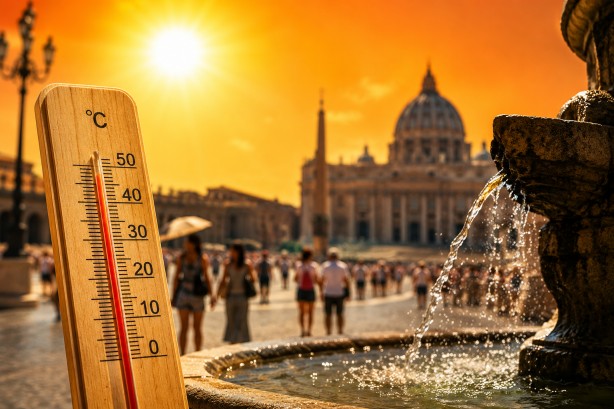
This summer, Europe experienced a series of intense heatwaves leading to at least 35,000 excess deaths, with the number anticipated to rise as additional countries finalize their data. Germany, France, and Spain have been particularly affected, collectively accounting for over 25,000 estimated excess deaths. Germany alone reported approximately 14,000 heat-related deaths between April and early August, marking its deadliest summer due to heat since record-keeping began. Meanwhile, Spain has recorded nearly 5,000 deaths attributed to heat since May, setting its own grim record.
In France, around 7,300 excess deaths were reported from late May through July, though this number remains preliminary and does not include data from August. Other European countries, such as the UK, Belgium, the Netherlands, Poland, and Switzerland, have also witnessed significant spikes in mortality rates during this period of extreme heat. These heatwaves have pushed temperatures beyond 40°C in several regions across western and central Europe, leading to the breaking of numerous national and local temperature records.
Scientists link the increasing frequency and intensity of such extreme heat events to climate change. Despite the challenges in pinpointing heat-related deaths, as extreme temperatures often exacerbate existing health issues rather than being the direct cause, the overall impact on public health is becoming increasingly evident. Cardiovascular, respiratory, and other conditions can worsen due to extreme heat, complicating the task of accurately attributing deaths to high temperatures.
Experts predict that the total number of deaths across Europe due to the heatwaves will continue to rise as delayed mortality data is processed, and as figures from August are added. The escalating death toll underscores the urgent public health threat posed by more frequent and severe heatwaves. As countries continue to assess the full impact of this summer’s extreme weather, the need for effective adaptation and mitigation strategies becomes ever more critical.