
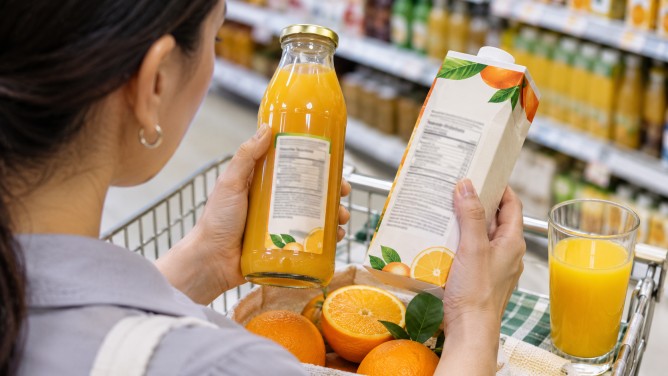
When choosing packaged fruit beverages, it’s crucial to understand the differences between products like 100% fruit juice and fruit drinks, as their ingredients and nutritional content can vary significantly. While some products contain pure fruit juice, others are made with added water, sweeteners, and flavorings, often containing only a small amount of actual fruit.
Products labeled as 100% fruit juice are generally made from juice extracted directly from fruits or from concentrate after reconstitution. However, they still contain naturally occurring sugars and lack the fiber found in whole fruits. This fiber is essential for digestion, promoting fullness, and slowing sugar absorption. Therefore, eating whole fruit is often more beneficial than consuming fruit juice, which can contribute a significant amount of natural sugar to your diet.
In contrast, fruit drinks, nectars, and fruit-flavored beverages may contain varying amounts of fruit. Fruit nectar typically includes fruit pulp or juice mixed with water, and its actual fruit content can differ based on the fruit and food standards. Fruit-based drinks often have a smaller proportion of fruit, while fruit-flavored drinks may primarily consist of water and flavorings with little to no actual fruit content.
To make healthier choices, consumers should pay attention to several key factors. Checking the percentage of fruit juice or pulp on the packaging can reveal how much fruit is actually in the drink. Reading the ingredient list is also essential; if water, sugar, or glucose syrup is listed before fruit ingredients, the drink likely contains less fruit. Comparing the total sugar content and understanding marketing claims are also important steps. Claims such as “natural” or “no added sugar” do not necessarily indicate superior nutritional value. Finally, paying attention to serving sizes can help manage sugar intake more effectively.
Incorporating whole fruits into one’s diet remains the preferred choice for most people. Whole fruits offer dietary fiber, essential vitamins, and minerals, and require chewing, which can enhance satiety. Small portions of fruit juice can be enjoyed occasionally, but it’s important to consume them in moderation, especially for individuals managing blood sugar levels.
Ultimately, making informed decisions about packaged fruit beverages requires looking beyond the packaging and marketing claims. By understanding the importance of ingredient lists, fruit percentages, and nutritional content, consumers can make healthier choices that support their overall well-being.