
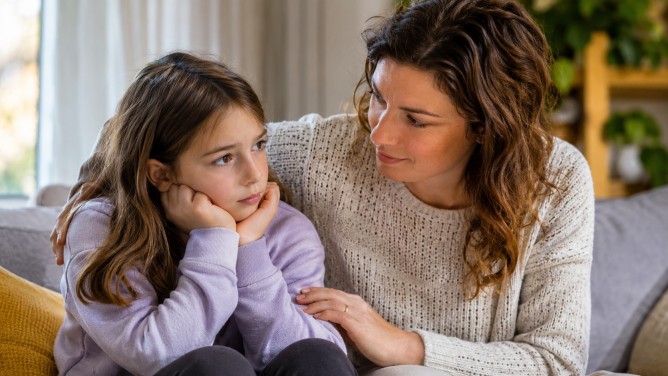
Children, much like adults, can experience anxiety, manifesting as fear, emotional pressure, and persistent worry. Since young children often struggle to articulate their feelings, parents and caregivers should be vigilant for changes in behavior, physical health, and daily routines as potential signs of anxiety. Early recognition of these symptoms can help ensure children feel understood and supported.
Anxiety in children can present itself through various signals. Frequent physical complaints, such as stomach pain, headaches, or nausea, may indicate stress and should not be dismissed as mere excuses. Sudden changes in a child’s behavior, including irritability, emotional sensitivity, or increased dependency on parents, can also be red flags. Children might resist sleeping alone, struggle with bedtime, or avoid social interactions and previously enjoyed activities.
Persistent anxiety can interfere with a child’s sleep and concentration, leading to difficulties in schoolwork and daily activities. Children may take longer to fall asleep, wake frequently, or repeatedly seek reassurance. Additionally, pressures from school, busy schedules, and family tensions can exacerbate stress levels, impacting their emotional well-being.
Parents play a crucial role in helping their children manage anxiety. Creating a supportive environment where children can express their emotions without fear is essential. Encouraging open conversations with simple language like “worried,” “nervous,” or “scared” can help children identify their emotions. Maintaining regular routines, providing quality time, and listening without judgment are vital strategies to support anxious children. Limiting excessive screen time and balancing academic responsibilities with relaxation and hobbies can also be beneficial.
If anxiety noticeably affects a child’s school attendance, sleep, or relationships, seeking guidance from a qualified child mental health professional is advisable. By responding with patience, reassurance, and consistent support, parents can help children develop confidence in expressing their feelings and managing challenging situations.